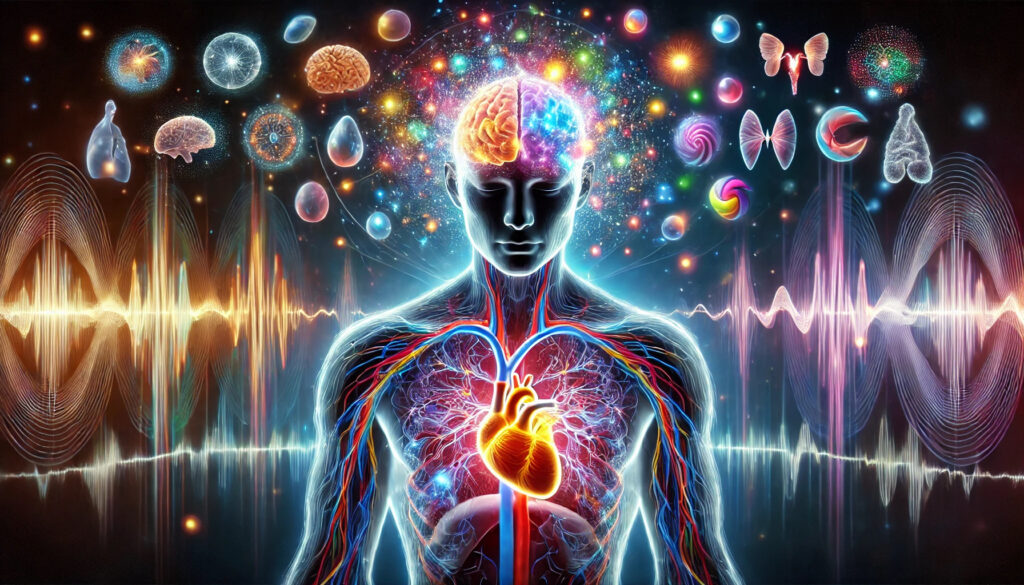
The Science of Emotions: How Feelings Shape Our Health and Longevity
Estimated Reading Time: ~8 minutes
Emotions and Their Direct Impact on Health
Our emotions do not just shape our mood or mental well-being; they directly influence our physical health. The body and mind are inseparable, intricately connected through biochemical and physiological pathways. Every thought we generate elicits an emotional response, and these emotions trigger reactions across all bodily systems.
The nervous system, cardiovascular system, respiratory system, endocrine system, immune system, digestive system, urinary system, musculoskeletal system, and lymphatic system—all respond to our emotional state. Stressful thoughts activate the hypothalamic-pituitary-adrenal (HPA) axis, increasing cortisol levels, which in turn affect metabolism, immune response, and cardiovascular health. Conversely, positive emotions such as love, joy, and gratitude promote hormonal balance, reduce inflammation, and enhance cellular repair mechanisms.
Among all physiological regulators, the breath serves as the most accessible and effective entry point for regaining control over both mental and physical health. However, observation of bodily sensations and thought patterns also provides valuable insight into our overall well-being. True health emerges from the harmonious balance of these systems, and any prolonged imbalance may contribute to or result in disease. Modern research aligns with the insights of various holistic traditions, confirming that chronic negative emotions can lead to disorders such as autoimmune diseases, cardiovascular complications, and even certain cancers.
Emotional Frequencies and Their Impact on the Body
David R. Hawkins, in book *Letting Go: The Pathway to Surrender*, introduces the concept of emotional frequencies, illustrating how different emotions emit measurable energy levels. Lower frequencies are associated with destructive emotions that contribute to stress, inflammation, and illness, while higher frequencies correlate with emotional resilience, healing, and vitality.
Key Emotional Frequencies and Their Health Implications:
- Shame (Frequency: ~20)
– Health Impact: Linked to withdrawal, low energy, and immune suppression.
– Illnesses: Depression, chronic fatigue, autoimmune disorders.
- Guilt (Frequency: ~30)
– Health Impact: Generates stress and self-punishment, contributing to inflammation.
– Illnesses: Hypertension, digestive issues, cardiovascular diseases.
- Apathy (Frequency: ~50)
– Health Impact: Reduces motivation and energy, leading to stagnation in bodily functions.
– Illnesses: Poor circulation, metabolic imbalances, immune deficiencies.
- Fear (Frequency: ~100)
– Health Impact: Prolonged stress response weakens vital systems.
– Illnesses: Anxiety disorders, heart disease, digestive disturbances.
- Anger (Frequency: ~150)
– Health Impact: Increases cortisol and systemic inflammation.
– Illnesses: Hypertension, ulcers, inflammatory conditions.
- Courage (Frequency: ~200)
– Health Impact: Shifts the body from survival mode to empowerment and proactive health management.
– Illnesses: Reduced stress-related conditions, improved immune function.
- Love (Frequency: ~500)
– Health Impact: Enhances cellular regeneration and hormone balance.
– Illnesses: Provides resilience against stress-related illnesses.
- Joy and Peace (Frequency: ~600-700)
– Health Impact: Promotes longevity, optimal physiological function, and deep healing.
– Illnesses: Significant reduction in chronic disease susceptibility.
Scientific Support for the Emotional-Health Connection
Modern research substantiates the relationship between emotions and physical health:
– Stress and the HPA Axis: Chronic stress disrupts the HPA axis, leading to prolonged cortisol elevation, inflammation, and insulin resistance.
– Immune Function: Studies show that suppressed emotional states weaken immune responses, increasing susceptibility to infections and chronic illnesses.
– Cardiovascular Health: Hostility and anger are associated with heightened risks of hypertension, stroke, and heart disease.
– Neuroplasticity: Positive emotional states foster brain plasticity, enhancing cognitive function and emotional resilience.
The Role of Mindfulness and Qigong in Emotional and Physical Well-Being
Mindfulness and Qi-Gong are ancient yet scientifically validated practices that address emotions, thoughts, and physiological functions. Both disciplines focus on breath control, body awareness, and energy regulation, offering powerful tools for self-healing and transformation. These methods are now widely adopted in Western medicine for stress reduction, emotional balance, and overall well-being.
Mindfulness-Based Stress Reduction (MBSR):
- Emotional Awareness: Encourages non-judgmental observation of thoughts and emotions.
- Stress Regulation: Lowers cortisol and inflammatory markers.
- Cognitive Resilience: Enhances mental clarity and decision-making.
- Health Improvements: Proven benefits for conditions like chronic pain, anxiety, and hypertension.
Qigong:
- Energy Flow Regulation: Balances the body’s energy pathways (meridians).
- Organ Health: Strengthens internal organs and enhances bodily detoxification.
- Breath Mastery: Improves lung function, oxygenation, and parasympathetic activation.
- Healing Frequencies: Utilizes movement, breath, and sound to shift emotional and physical states.
Practical Steps Toward Emotional and Physical Wellness
- Mindful Awareness: Observe your emotions and their impact on your body.
- Breathwork: Utilize slow, deep breathing to regulate emotional states.
- Emotional Release: Let go of emotions that no longer serve you through meditation and Qi-Gong practices.
- Positive Focus: Cultivate gratitude, love, and compassion to elevate your emotional frequency.
- Integrative Practice: Engage in MBSR, Qi-Gong, or other holistic methods to maintain balance.
Conclusion
Health is not merely the absence of disease but a dynamic equilibrium of body, mind, and emotions. Our thoughts and feelings directly shape our physiological state, influencing every organ system. Negative emotions, if left unprocessed, manifest as chronic illness, whereas cultivating positive emotional states fosters healing and longevity.
Mindfulness and Qi-Gong offer time-tested methodologies for balancing emotional frequencies, enhancing well-being, and fostering long-term health. With conscious awareness, self-compassion, and the right practices, we can cultivate a state of vitality and inner harmony—one mindful breath at a time.